
Why Your Next CEO Should Be An Octopus
If you want a CEO who can navigate volatility, complexity, and uncertainty without pretending the world is stable… Give the job to the octopus. If you can’t hire an octopus, design leadership that behaves like one.
Share this article:
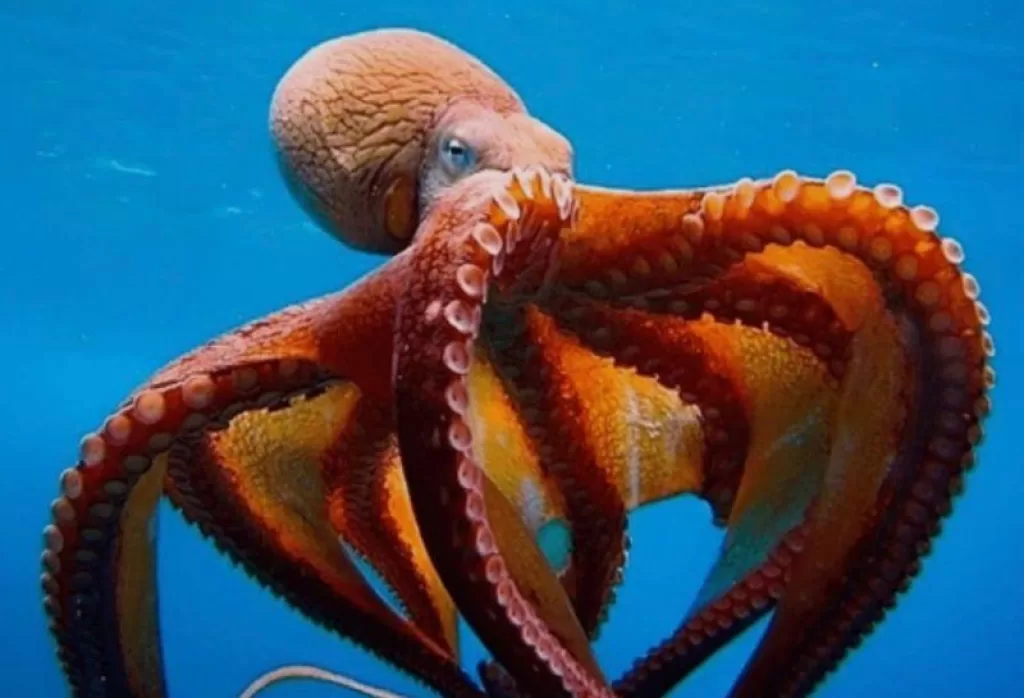
Why your next CEO should be an Octopus.
Here is why the octopus quietly outclasses the rest of the animal kingdom in the corner office.
Distributed intelligence
An octopus does not centralise control. Each arm can think, sense, and act semi independently. That is modern leadership done properly. Strategy sets direction, teams execute locally. No micromanagement. No bottlenecked thinking. The CEO does not need to know everything, just how to coordinate it.
Extreme adaptability
When the environment changes, the octopus does not complain, rebrand, or commission a report. It changes shape. It camouflages. It escapes. It experiments. This is not resilience theatre. This is survival through learning.
Problem solving under pressure
Octopuses solve puzzles, open jars, navigate mazes, and remember solutions. More importantly, they do this without hierarchy, status anxiety, or sunk cost fallacy. If something does not work, they abandon it instantly. No legacy roadmap clinging.
Strategic invisibility
The octopus knows when not to be seen. It avoids unnecessary dominance displays. It conserves energy. It understands timing. In leadership terms, this is restraint. Knowing when to intervene and when to let the system work.
If you want a CEO who can navigate volatility, complexity, and uncertainty without pretending the world is stable…
Give the job to the octopus.
If you can’t hire an octopus,
design leadership that behaves like one.
That is the work of an executive coach 🐙
Read more blog posts
13 May 2026
AI Investment and the Leadership Risk of Mistaking Momentum for Value
The AI investment debate is focused on scale, speed and return. The overlooked leadership issue is whether organisations can prove that major investment is converting into real value for customers, margin, risk, people and decision quality.
23 Mar 2026
What Do I Need a Coach For? I Got This!
High performers often believe they don’t need a coach. But what if that belief is quietly limiting results, slowing decisions, and leaving opportunity on the table? This piece explores the real cost of going it alone and what changes when you don’t.
02 Jun 2026
What employee surveys reveal about executive coaching, pressure and leadership range
Microsoft employees reportedly feel more energised and empowered, yet less positive about coaching, feedback and motivation from managers. The deeper signal is how sustained pressure narrows leadership range before performance visibly drops.
Get in touch
We want to hear from you
If you're ready to break bias, decode decisions and unlock success, we're here to help. Let's get your transformation journey started!